Wild Camping in England vs Scotland: What's Legal and What's Not
Scotland and England share a border, a language and a great deal of weather. What they don't share is an attitude to sleeping on the hill. North of the border, wild camping is a right, written into statute, provided you do it responsibly. South of it, the same small tent on the same open moorland is usually a trespass — tolerated in some places, unwelcome in plenty of others.
That difference catches people out every year. Here's what the rules actually say, where they're murkier than the headlines suggest, and how to plan a night out that doesn't end with a torch in your face at eleven.
Why the border changes everything
Scotland's Land Reform (Scotland) Act 2003 created statutory access rights over most land and inland water for walking, cycling, horse riding and camping. The conditions attached to those rights are gathered under one phrase: responsible access, as defined in the Scottish Outdoor Access Code. Meet that standard and you're on firm legal ground.
England and Wales work differently. The Countryside and Rights of Way Act 2000 opened up "access land" — mountain, moor, heath, down and registered common land — but the right it grants is a right to walk, and the permitted activities specifically exclude camping. You can cross a moor and eat your sandwiches on a summit. You can't legally pitch on it.
So in Scotland you ask yourself, "am I being responsible?" In England you ask, "do I have permission?"
Wild camping in Scotland: a right with conditions
Responsible wild camping in Scotland means:
- a lightweight tent, bivvy or tarp, carried in on foot, by bike or by canoe — not a campervan, caravan or anything with an engine;
- a small group, two or three tents rather than a festival;
- a short stay in one place, two or three nights at most, then move on;
- unenclosed ground, well away from houses, gardens, farm buildings, roads, crops and livestock;
- a stove rather than a fire.
Access rights have limits. A field of crops isn't access land in any meaningful sense, and neither is someone's garden or the ground around a farm building. Camping there is trespass, not responsible access.
Local byelaws add another layer. The best known are in Loch Lomond and the Trossachs National Park, where certain camping management zones require a permit or a designated site during the main season. The zone map and the dates change, so check the park's own website before you travel rather than trusting a blog post — including this one.
England and Wales: permission, not presumption
You'll often see tents on English moors. That doesn't make it legal; it means nobody has yet objected. Some national parks and estates have a long-standing tolerance of lightweight backpack camping high up, pitched late and struck early. Tolerance is a habit, not a right, and it can be withdrawn when a spot gets popular, gets littered or starts attracting vans.
Some landowners are more helpful than that. A few estates, charities and trusts publish permissive camping policies, and national park rangers will usually tell you where people camp without trouble and where they really shouldn't.
Dartmoor
Dartmoor has long been the exception people cite, since backpack camping on its commons was treated as lawful for decades. That position has been argued over in the courts in recent years, so don't rely on a summary — check the current situation on Dartmoor National Park's own site and follow whatever code or permit system is in force when you visit.
How to ask for permission
- Ask in person, in daylight, before you pitch.
- Be specific: "One small tent, two of us, arriving at dusk, gone by eight. No fire, no music."
- Offer to pay, or to leave something in the honesty box.
- Take a no gracefully, and ask if they know somewhere better.
- Do exactly what you said you'd do.
Leave no trace: the rules that apply everywhere
The Scottish Outdoor Access Code is clear that access rights depend on how you behave. The same principles make sense south of the border, where good behaviour is often the only reason a quiet spot stays available.
- Choose durable ground — gravel, rock, hard grass or a spot that's clearly been camped on before. Avoid peat, moss and heather.
- Arrive late, leave early, and keep it small and quiet.
- Cook on a stove. Open fires scar ground, and on dry moorland or peaty soil they're a genuine wildfire risk. Treat any fire danger warning as a ban.
- Carry everything out, including food scraps, tea bags and wet wipes.
- Bury human waste in a hole 15–20cm deep, at least 30 metres from water, paths and buildings, and carry the paper out with you.
- Don't wash in the stream. Take water away and use as little soap as possible — even biodegradable stuff doesn't belong in a beck or a burn.
- Respect livestock and wildlife. Close gates, keep your distance, and keep dogs under control or on a lead around ground-nesting birds and sheep with lambs.
Bothies, vans and other grey areas
Bothies are Scotland's unofficial third option: simple unlocked buildings kept for walkers, free to use and not bookable. They aren't a right and they aren't a campsite. Turn up quietly, share the space, leave it cleaner than you found it, carry out all rubbish, and check current status before you build a route around one.
Sleeping in a vehicle is a different question, and the one most likely to cause trouble. Scotland's access rights don't cover motorised vehicles or camping from them. In England and Wales you're dealing with parking restrictions, local byelaws, private land and the landowner's wishes — and where vehicles are involved, the police have powers to direct people off land in some circumstances. If your trip is van-based, plan around campsites, pubs with a camping field and official overnight stopovers.
Before you go: a two-minute check
Byelaws, permits and park policies change more often than guidebooks do, so check the local position before you travel. This isn't legal advice; if a decision really matters to you, take proper advice.
- Find out who owns or manages the land, and what they allow.
- Check the national park or local authority website for byelaws, permits and seasonal zones.
- Look at the map and know where your legal fallback is.
- Have a plan B — a campsite, a bunkhouse or a bothy.
- Carry cash for an honesty box or a late call at a farm.
Then keep it brief, small and quiet. Scotland's right to camp survives because most people use it well, and the next walker gets a yes from a Cumbrian farmer because the last one said thank you and took everything home.
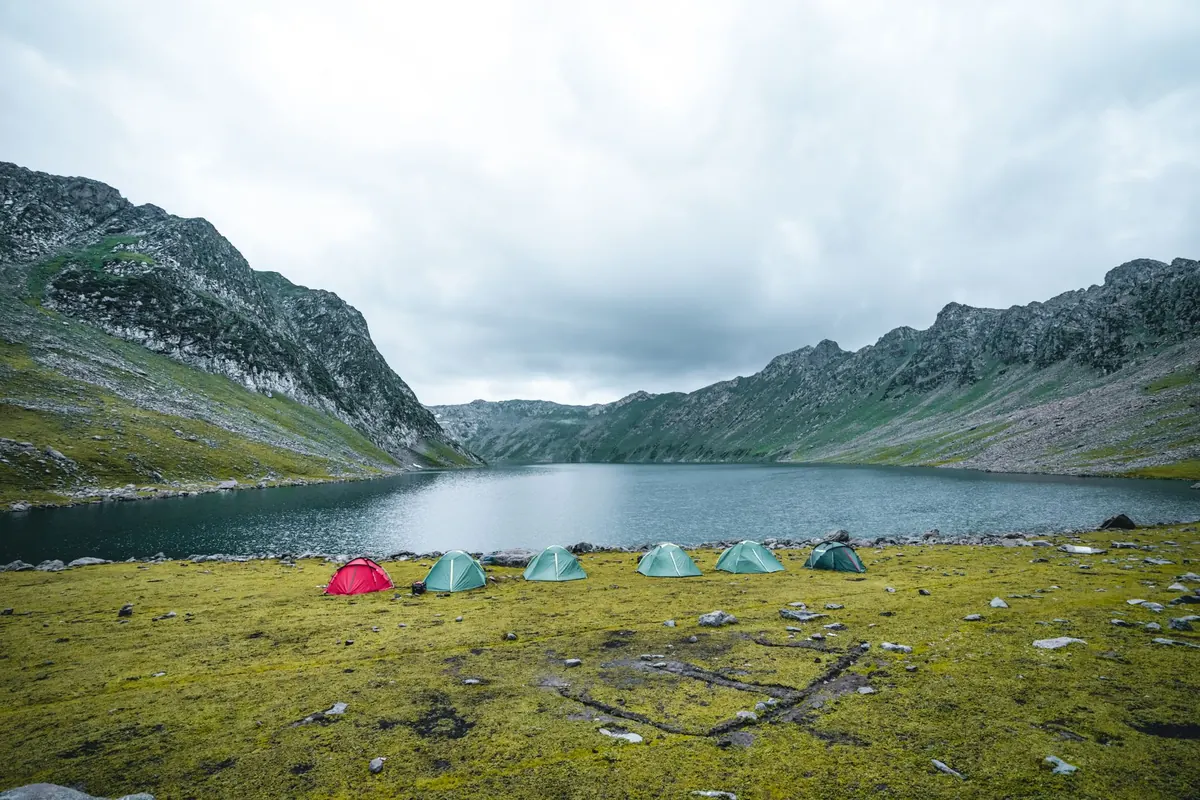
Photo: Syed Qaarif Andrabi / Pexels
Adventure Quests in New Zealand: 10 Challenges for Your Bucket List
Ten hiking, paddling and cycling challenges across New Zealand's North and South Islands, with honest...
Solo Travel in Iceland: A Story of Weather, Roads and Wild Camping
Twelve days alone on Iceland's Ring Road: reading the wind, learning Route 1's habits, and how campsite...
About Us