How to Plan Your First Multi-Day Hike in the UK: A Step-by-Step Guide
A first multi-day hike is less about heroics and more about small decisions made before you leave the house. Get the route, water, food and sleeping arrangements roughly right, and two days on foot can feel surprisingly manageable. Get them wrong, and a gentle trail turns into a test of endurance. The UK has plenty of lowland paths, national trails and campsites that make an overnight trek a realistic first step. This plan is built around one night out: two days of walking, one night under canvas or in a bunkhouse, and enough flexibility to bail out if the weather turns.
Choose a route that matches your first overnight
Start with a section of a waymarked trail rather than a remote moorland crossing. A good first overnight is roughly 20–30 km in total over two days, with a campsite, bothy or permitted wild camping spot near the midpoint. Look at the South Downs Way, the Ridgeway, a quiet stretch of the Pembrokeshire Coast Path, or a low-level section of the Speyside Way. These routes tend to have villages, water points and public transport at one or both ends.
Use Ordnance Survey maps, a guidebook and recent route reports to check the ground, not just the distance. Contour lines matter. So do field boundaries, river crossings and how exposed the path feels in bad weather. A rough planning pace with a loaded pack is 3–4 km per hour on easy ground, slower on hills. Add time for stops, photographs and the inevitable faffing with layers.
Look for exits, not just views
Before you commit, mark a few escape points on the map: a train station, a bus stop, a village with a pub or a road crossing. If your knee starts complaining or the forecast shifts, you want an easy way out. That single piece of planning makes a first overnight far less stressful.
Understand wild camping rules before you pitch
Rules differ across the UK, and they can change. In Scotland, the right of access generally allows lightweight wild camping in many places, provided you follow the Scottish Outdoor Access Code: small numbers, no long stays, leave no trace. Some popular areas, such as parts of Loch Lomond and the Trossachs, use permit schemes in season. In England, Wales and Northern Ireland, wild camping is generally not a right. You need the landowner’s permission. Dartmoor has a permissive scheme on some commons, but check the national park’s current map and rules before relying on it.
If you are unsure, book a campsite or use a recognised bothy. Bothies are basic shelters, often free, but they can be full, and some close for maintenance. Check Mountain Bothies Association guidance before you go.
Wherever you sleep, follow these principles:
- Pitch late and leave early. Keep a low profile.
- Keep groups small and noise low.
- Use a stove rather than lighting a fire.
- Bury toilet waste at least 30 cm deep and 50 m from water, and pack out toilet paper.
- Take all litter home, including food scraps and fruit peel.
- Avoid enclosed fields, livestock, buildings and busy areas.
Check the national park or access authority website shortly before your trip. Advice changes with seasons, land management and local bylaws.
Plan food you will actually eat
Walking all day changes appetite, but cold, wet and tiredness can also kill it. Pack simple food you enjoy and can prepare without a production line. Aim for three meals plus regular snacks. A no-cook lunch saves fuel and time.
- Breakfast: porridge oats with dried fruit and nuts, or a granola bar and coffee.
- Lunch: wraps with cheese, salami, hummus or peanut butter, plus an apple or oatcakes.
- Dinner: couscous or pasta with a sauce sachet, dried veg and a tin of fish if you like.
- Snacks: nuts, flapjack, chocolate, dried fruit, sweets for the last hour.
Repackage food to cut weight and rubbish. Carry a stove and enough fuel for one hot meal and hot drinks. Test the stove before you leave. If the forecast is grim, a flask of hot soup can be worth the extra weight. Do not assume a pub will be open or have space when you arrive.
Water: carry some, treat the rest
Water is heavy, so plan refills rather than carrying two days’ worth. A capacity of 2–3 litres is sensible for most UK walks, split between a bladder and a bottle. Refill at campsites, cafes, pubs and public taps. Streams and lakes may look clean but can carry agricultural runoff or animal waste. Use a filter, purification tablets or boil the water, and follow the instructions carefully. If you are unsure, carry enough to reach the next reliable tap. In hot weather, drink regularly rather than waiting until you are parched.
Safety and navigation for a first overnight
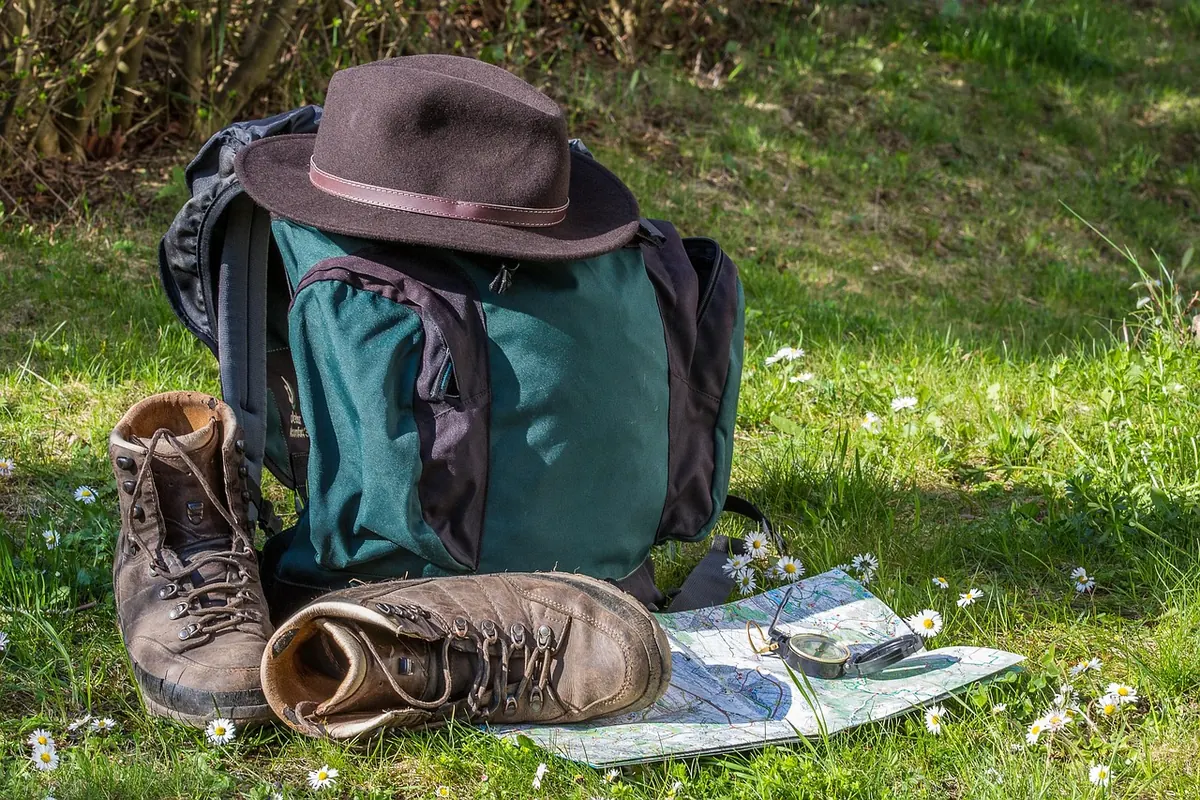
Tell someone your route, your planned overnight spot and your expected check-in time. Give them a copy of the map or a list of grid references. Navigation should not depend on one device. Carry a paper map and compass, plus a phone with offline maps and a power bank. Learn how to take a grid reference and set a compass bearing.
Check the Met Office and Mountain Weather Information Service forecasts. Pack waterproofs, a warm layer, a hat and gloves, even in summer. Treat blisters as soon as they appear. If you have a medical condition, speak to your GP before a strenuous trek, and carry any medication you need.
In an emergency, call 999 and ask for mountain rescue. Give your location as clearly as you can, using a grid reference or a location app such as what3words. Signal can be poor, so be prepared to move to higher ground or send someone for help. Be willing to turn back. A cancelled hike is better than an avoidable rescue.
A basic safety kit
- Map, compass and route card
- Fully charged phone, offline maps and power bank
- Head torch with spare batteries
- Waterproof jacket and trousers, plus an extra warm layer
- First aid kit, blister plasters and personal medication
- Emergency shelter or bivvy bag, whistle and foil blanket
- Extra food and water
- Sun cream and midge repellent in season
Pack light, sleep warm, and practise
For one night, keep your pack as light as you safely can. A 10–12 kg pack including food and water is a reasonable target for many people. Your sleep system matters more than fancy extras: a tent or tarp, a sleeping mat with a decent insulation rating, and a sleeping bag suited to the forecast. Keep your sleeping bag dry in a waterproof stuff sack. Wear boots you have already broken in.
Do a dry run. Pitch your tent in the garden or at a local campsite, cook a meal on your stove, and sleep in your kit. You will quickly learn what you forgot, what you do not need, and how long everything takes. On the trip, aim to reach camp with at least an hour of daylight left. Setting up in the dark is a poor way to end a good
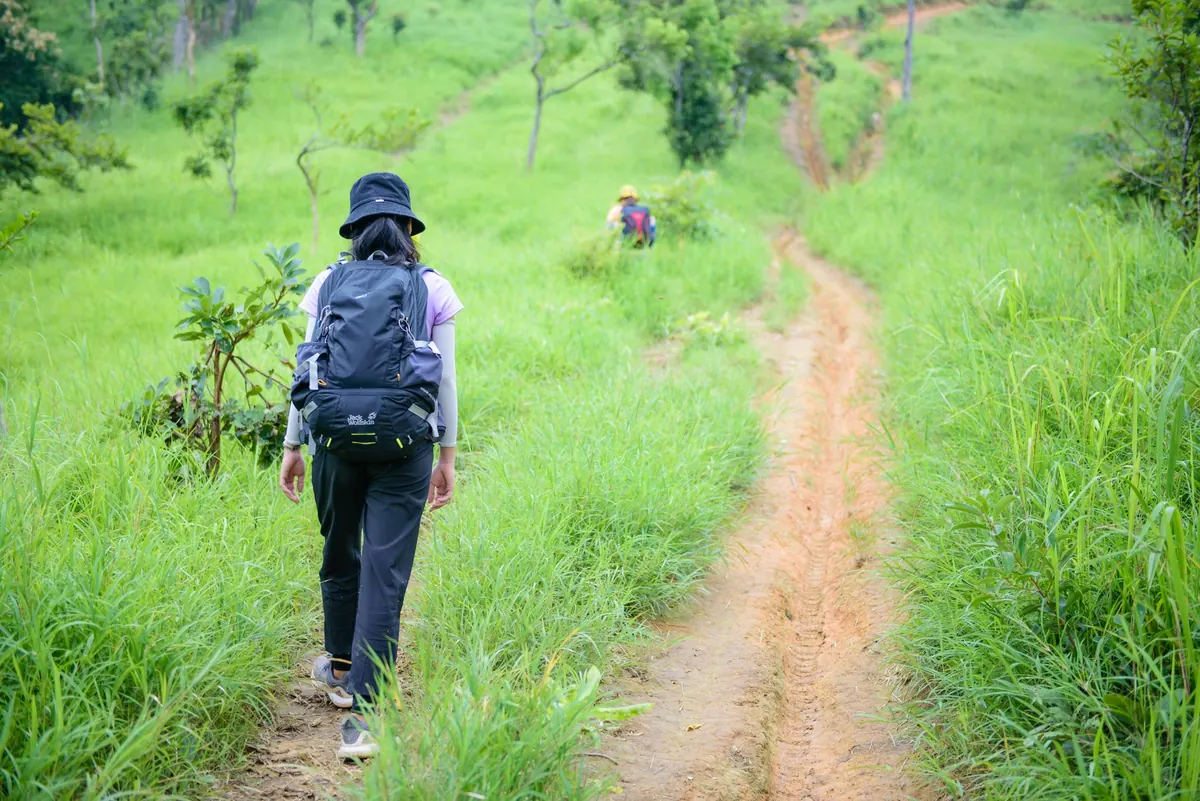
Photo: Xuân Thống Trần / Pexels
Adventure Quests in New Zealand: 10 Challenges for Your Bucket List
Ten hiking, paddling and cycling challenges across New Zealand's North and South Islands, with honest...
Solo Travel in Iceland: A Story of Weather, Roads and Wild Camping
Twelve days alone on Iceland's Ring Road: reading the wind, learning Route 1's habits, and how campsite...
About Us