Adventure Quests in New Zealand: 10 Challenges for Your Bucket List
New Zealand gives you more than one signature walk. It gives you a country where the logistics are half the adventure: shuttle timetables, tide charts, hut bookings and weather that shifts by the hour. The ten challenges below cover both islands and three ways of moving through them — on foot, by paddle and on two wheels. Each one comes with a note on what it actually asks of you.
Treat the list as a menu rather than a checklist. Pick one per island, leave a spare day in reserve for weather, and you will enjoy it far more than trying to tick off five in a fortnight.
Hiking challenges in the North Island
1. Tongariro Alpine Crossing
Nineteen kilometres of volcanic plateau, steam vents and the cold blue of the Emerald Lakes. It is a long day — six to eight hours for most walkers — with a steep pull up to Red Crater and a knee-testing descent to Ketetahi. No technical skill is required, but you do need layers, water and an early start. Shuttles run from National Park, Turangi and Taupō; book the day before and check the forecast at the visitor centre. Difficulty: challenging day hike.
2. Pouakai Crossing, Taranaki
The classic Taranaki day, usually walked in about eight hours. Boardwalk through mossy forest gives way to tussock and the tarns that mirror the mountain when the cloud finally lifts. There are a great many steps, and the mud is genuine — gaiters earn their place. You will need a car shuffle or a pre-booked transfer between the Mangorei and North Egmont road ends. Difficulty: moderate to hard, relentless underfoot.
3. Lake Waikaremoana Great Walk
Forty-six kilometres around a bush-ringed lake in Te Urewera, done over three or four days using DOC huts. The first climb up Panekire Bluff is the hardest part of the trip; after that the track rolls along the shoreline with swimming spots on hot afternoons. Book huts well ahead and sort transport early, because the two road ends are a long drive apart. Difficulty: moderate, with one big climb.
Hiking challenges in the South Island
4. Routeburn Track
Thirty-two kilometres of beech forest, waterfalls and the alpine stretch over Harris Saddle, usually split into three days with two nights in huts. Add the side trip up Conical Hill if the weather is clear — the view down to the Hollyford is worth the extra hour. Huts sell out quickly for summer dates, and you will need a shuttle between the Glenorchy and Milford road ends. Difficulty: moderate; long days when it is wet.
5. Abel Tasman Coast Track
Sixty kilometres of golden sand and clear water, and the most forgiving of the Great Walks. The catch is tidal: Awaroa Inlet and Torrent Bay can only be crossed within a window either side of low tide, so build each day around the tide table. Water taxis let you shorten the walk or skip a section entirely if the weather turns. Difficulty: easy to moderate.
6. Mueller Hut, Aoraki/Mount Cook
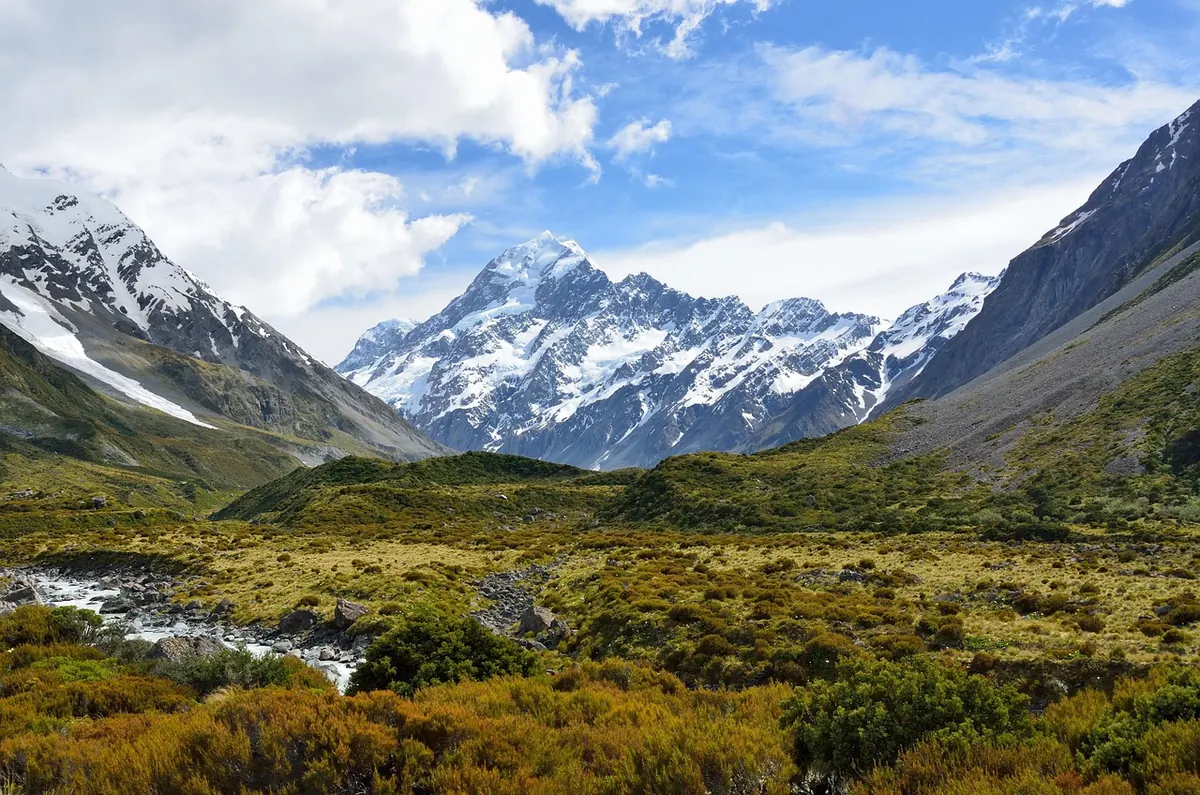
Short but steep: roughly five kilometres and a thousand vertical metres from White Horse Hill to a hut perched at about 1,800 metres above the Hooker Valley. Expect steps, loose scree and snow, depending on the season. Book the hut, carry a stove, and check the avalanche forecast before heading up in winter or spring. Difficulty: hard; genuine alpine conditions.
Paddling challenges
7. Whanganui River Journey
One hundred and forty-five kilometres of gentle grade one and two water through Whanganui National Park, usually paddled over five days by canoe. You pass the Bridge to Nowhere and stay in huts or campsites along the way. Hire companies supply canoes and arrange the shuttle; check river levels and forecast rain before you launch, because the river rises fast. Difficulty: moderate; a long time in a boat.
8. Milford and Doubtful Sounds by kayak
Guided day kayaking in Milford Sound launches by water taxi and puts you beneath the waterfalls, with Stirling Falls close enough to feel the spray. Doubtful Sound trips often run overnight, which means more time on the water, more sandflies and a good chance of complete quiet. Rain is normal here — it is what makes the place work. Difficulty: easy for day trips, moderate for overnighters.
Cycling challenges
9. The Timber Trail
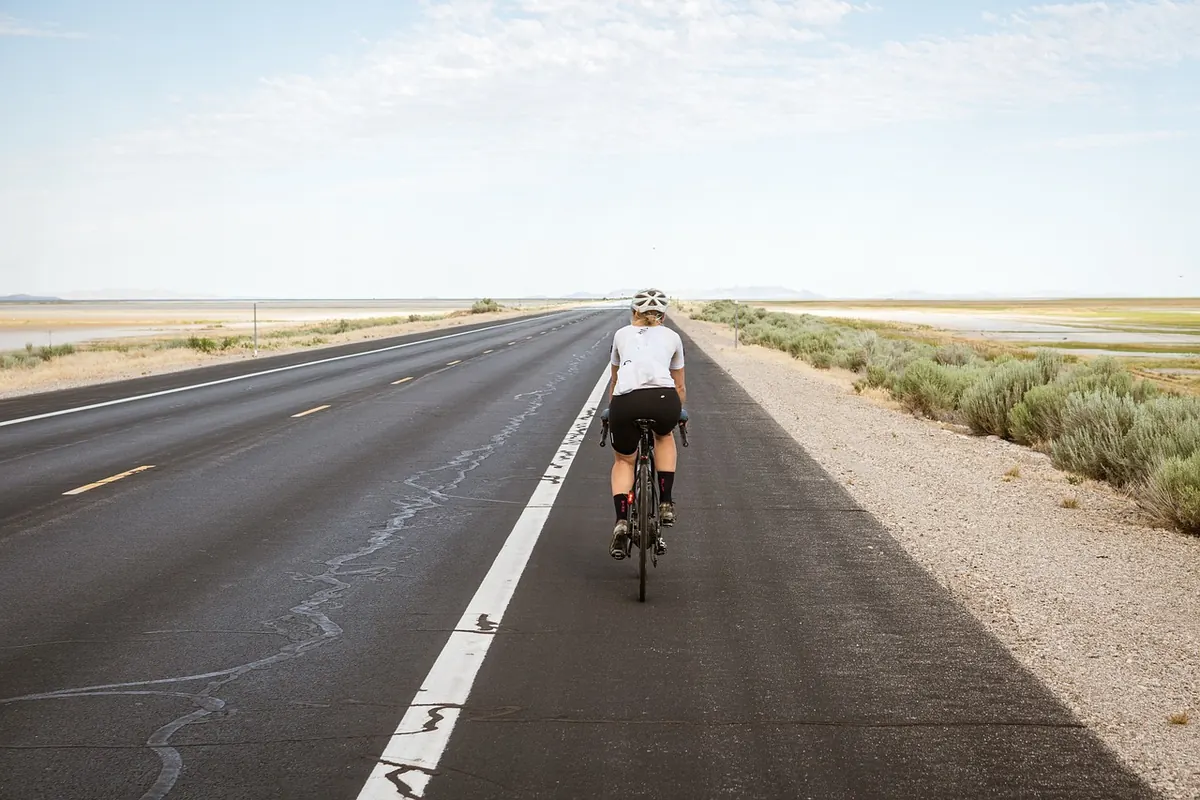
Eighty-five kilometres of old logging tramways and forest track between Pureora and Ongarue, usually ridden over two days with a night at the lodge in the middle. The suspension bridges are the highlight, especially the long Maramataha span. It is roughly grade three in places, and you will need a shuttle at both ends. Difficulty: moderate; mountain bikes or e-bikes.
10. Alps 2 Ocean
Around 300 kilometres from Aoraki/Mount Cook down to the coast at Oamaru, taking in Lake Pukaki, tussock basins and quiet gravel roads. Most people ride it over four to six days, and hiring an e-bike takes the sting out of the climbs. If that sounds like too much, the Otago Central Rail Trail is 150 kilometres of easier gravel from Clyde to Middlemarch, and a fine first multi-day ride. Difficulty: moderate to challenging; the rail trail is easy.
A quick difficulty guide
- Easy: Otago Central Rail Trail, day sections of the Abel Tasman, Milford Sound day kayak.
- Moderate: Lake Waikaremoana, Routeburn, Timber Trail, Whanganui River Journey.
- Hard: Tongariro Alpine Crossing in poor weather, Mueller Hut, Pouakai Crossing.
- What matters more than distance: elevation gain, tidal timing, river levels, and how many days you are carrying a pack.
Planning notes before you commit
Great Walk huts and campsites are booked through the Department of Conservation, and summer dates disappear quickly once the season opens. Decide your dates early, book accommodation at both ends, then book transport.
Photo: kewl / Pixabay
Solo Travel in Iceland: A Story of Weather, Roads and Wild Camping
Twelve days alone on Iceland's Ring Road: reading the wind, learning Route 1's habits, and how campsite...
The Ultimate Cold-Weather Camping Kit List for Weekend Adventures
How to stay warm and safe below zero, from sleep systems and insulation to stoves, fuel and the safety kit...
About Us