The Best Time of Year to Trek to Everest Base Camp: A Month-by-Month Guide
Ask five trekkers when to walk to Everest Base Camp and you will get five answers, usually shaped by the season they happened to go in. The truth is simpler: the trail is open all year, but two windows — spring and autumn — give you the best combination of clear views, open tea houses and workable temperatures. Everything else is a trade-off between cold, cloud and crowds.
The Two Prime Windows
Spring runs from roughly late March to mid-May. Days warm as you gain height, rhododendrons and magnolias flower below Namche, and mornings are often brilliantly clear. By afternoon, cloud tends to build, and haze thickens as May approaches. April is the classic month: warm enough to sit outside a lodge in the evening, cold enough at night that a good sleeping bag earns its place.
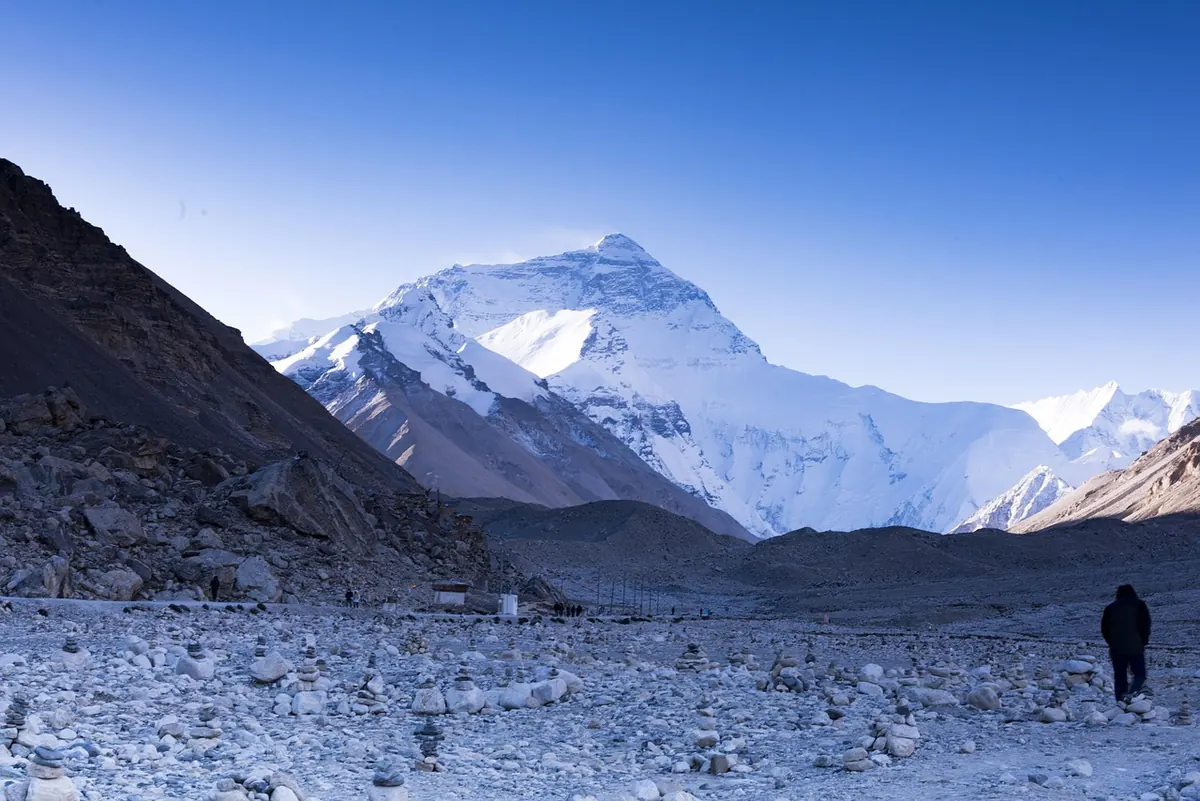
Autumn, from late September to November, is the other favourite. The monsoon has scrubbed the air clean, so Everest, Nuptse and Ama Dablam look almost too sharp to be real. Skies are stable, the trails are dry, and by November the nights turn properly cold. October is the busiest month on the route, and for good reason.
Either way, allow about twelve to fourteen days from Lukla to Base Camp and back, including acclimatisation stops. Rushing that itinerary is the most common mistake, whatever the season.
Month by Month on the Trail
December to February
Expect empty trails, deep cold and clear skies. Above Namche, many tea houses shut for the winter, and villages such as Lobuche and Gorak Shep can close altogether, which makes the final stretch complicated without camping support. Days lower down are pleasant; nights drop well below freezing. If you go, plan a slower itinerary, pack a serious down jacket and confirm in advance which lodges are open.
March to May
March is quieter, colder and more unsettled, with snow still falling high up. April brings the best balance of warmth and clarity — and the crowds. May stays warm but hazier, with more afternoon cloud and the odd pre-monsoon shower. This is also Everest summit season, so Base Camp itself becomes a small city of tents and you will share the trail with expedition traffic and yaks.
June to August
The monsoon arrives in June and settles through July and August. Expect rain, mist, cloud hiding the peaks and unreliable flights into Lukla. Leeches appear on the lower, greener trails and many high lodges close. The upside is a quiet, moody, very different mountain. Not the season for a first attempt or for big views.
September to November
Early September can still be wet, as the tail of the monsoon lingers. From late September the skies clear, and October delivers the most reliable visibility of the year. November is colder but still excellent, with thinner crowds and quieter lodges — though some high-altitude tea houses begin closing towards the end of the month, so check before committing to the last few days.
Weather, Crowds and Tea Houses at a Glance
- Best overall conditions: October, then April.
- Clearest skies: October and November, with December close behind.
- Warmest days: April and May, though haze builds late in spring.
- Fewest people: January, February, July and August.
- Most tea houses open: March to May, and late September to November.
- Most likely flight delays: monsoon months and the depths of winter.
- Coldest nights: December to February, and November above Dingboche.
Treat these as tendencies rather than guarantees. The Khumbu makes its own weather, and a damp April can feel like November.
Choosing Your Month: Four Questions
- Do clear views matter more than quiet trails? Go in October or April and accept the company.
- Do you want solitude and can handle the cold? January and February are beautiful, but verify lodge openings above Namche before you fly.
- Are you tied to school holidays or fixed leave? Late September, early December and early March are useful compromises.
- How much buffer do you have? If your itinerary has no spare days, avoid the monsoon and midwinter, when Lukla flights are most likely to be grounded.
What the Weather Doesn't Change
Altitude is the real variable. Whatever month you choose, build in rest days at Namche Bazaar and Dingboche, walk high and sleep low where you can, and know the symptoms of acute mountain sickness before you set off. Speak to a travel health professional about medication and about insurance that explicitly covers trekking to around 5,500 metres; many standard policies do not. Fitness helps with the walking but does not prevent altitude illness.
Flights to Lukla are weather-dependent all year. In peak seasons, some services operate from Manthali rather than Kathmandu, which means a very early drive. Helicopter transfers are the usual fallback, at a significant cost, so leave slack in your plans.
The Practical Finish
Book your Lukla flights and your first two nights of accommodation early if you are travelling in April, October or November; the rest you can arrange as you walk. Carry rupees in cash, since ATMs above Namche are unreliable, and budget for a contingency night in Kathmandu or Lukla. Pack layers rather than one heavy jacket, and treat a down sleeping bag, a warm hat and a decent head torch as essentials rather than luxuries. Permits for Sagarmatha National Park and the local municipality are arranged through your trekking agency or in Kathmandu before you fly.
Then decide what you actually want from the trek. If it is wide, clean mountain views and a full choice of tea houses, aim for October or April and book ahead. If it is empty trails and you do not mind the cold, try February. Neither is wrong — but the season you pick will shape the trip as much as your training does.
Photo: Russell_Yan / Pixabay
Adventure Quests in New Zealand: 10 Challenges for Your Bucket List
Ten hiking, paddling and cycling challenges across New Zealand's North and South Islands, with honest...
Solo Travel in Iceland: A Story of Weather, Roads and Wild Camping
Twelve days alone on Iceland's Ring Road: reading the wind, learning Route 1's habits, and how campsite...
About Us